



Premium vs Budget Heated Jackets: What’s the Real Difference?
Heated jackets have become increasingly popular for winter commuting, outdoor activities, and cold-weather work. As demand grows, the market now includes a wide selection of heated apparel brands at different price range.
At first glance, many heated jackets look similar and promise the same basic benefit: adjustable warmth powered by a rechargeable battery.
However, the real differences often appear in areas that aren’t immediately visible — including safety standards, heating performance, battery reliability, fabric construction, and long-term support.
Understanding these factors can help buyers make smarter decisions and avoid products that may compromise comfort, durability, or even safety.
1. Safety Standards: The Foundation of Heated Apparel
Unlike traditional winter jackets, heated apparel integrates electrical components such as batteries, wiring systems, and heating elements. Because these systems operate close to the body, safety certification is one of the most important factors to consider.
Premium Heated Jackets
Higher-end heated apparel often uses certified battery systems that comply with recognized standards such as UL, CE, FCC, or RoHS. These certifications indicate that the battery and electrical system have undergone testing for overheating protection, electrical stability, and safe charging performance.
Premium designs may also include temperature sensors and automatic safety cutoffs that help regulate heat output.

Budget Heated Jackets
Lower-cost heated jackets can still provide warmth, but safety certifications and technical documentation may not always be clearly stated. In some cases, buyers may find limited information about battery testing or electrical protection features.
What Buyers Should Check
When evaluating heated jackets, look for:
- Verified safety certifications
- Overheat protection systems
- Clear battery specifications
- Documented electrical safety standards
If safety information is missing or unclear, it is worth investigating further before purchasing.
2. Heating Performance: Consistency Matters
The primary function of a heated jacket is to provide reliable warmth, but heating performance depends on more than just turning on a heating element.
Premium Heating Systems
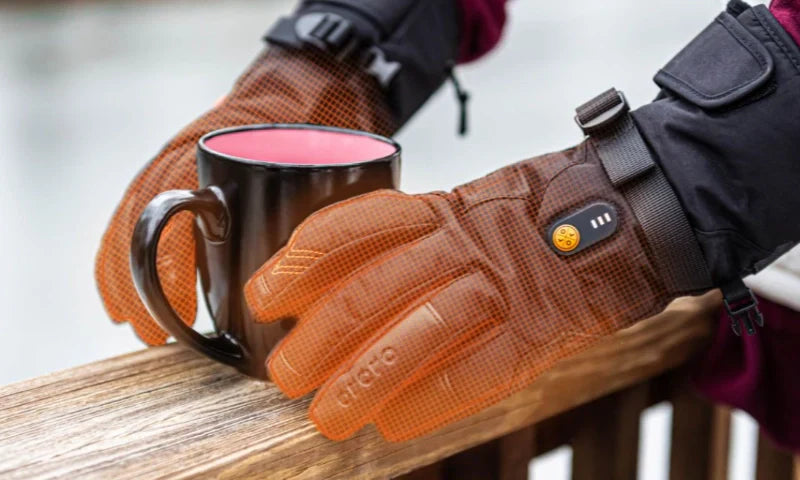
Many premium heated jackets use carbon fiber heating elements, which distribute warmth evenly and maintain flexibility inside the garment. Heating zones are typically placed around the body’s core areas — chest and back — where warmth is most effective.
Advanced systems often include multiple heating levels and stable temperature control to maintain consistent warmth over time.

Budget Heating Systems
Some entry-level heated jackets use simpler heating wire designs and fewer heating zones. While they can still produce warmth, heat distribution and temperature consistency may vary depending on the design.
What Buyers Should Check
- Heating element type (carbon fiber is commonly used in premium designs)
- Number and placement of heating zones
- Temperature range and adjustable heat settings
- Reported runtime on different heat levels
Consistent heat output is often more important than maximum temperature alone.
3. Battery Safety and Performance
The battery is the power source behind any heated garment, making it one of the most critical components.
Premium Battery Systems
Higher-quality heated apparel typically includes batteries designed with multiple safety protections, such as:
- Overcharge protection
- Overcurrent protection
- Short-circuit protection
- Temperature monitoring
Premium brands also tend to provide transparent battery specifications, including capacity (mAh or Wh), charging time, and expected runtime.

Budget Battery Systems
Some lower-cost products provide less detailed battery information, making it harder to evaluate charging speed, heating duration, or safety protections.
What Buyers Should Check
- Battery certification (UL or similar safety standards)
- Battery capacity and runtime estimates
- Charging speed and compatibility
- Built-in safety protection features
A reliable battery not only improves heating performance but also reduces safety risks.
4. Fabric Construction and Garment Design
The heating system generates warmth, but the jacket’s materials determine how effectively that warmth is retained.
Premium Heated Jackets
Higher-end designs often use durable nylon or polyester shells with wind-resistant properties and DWR (durable water repellent) treatments. These materials help prevent heat loss and protect the jacket in light rain or snow.
Insulation layers are typically engineered to balance warmth, breathability, and mobility.
Design details such as reinforced seams, durable zipper, protected wiring channels, and ergonomic heating zone placement also contribute to long-term performance.

Budget Heated Jackets
Lower-cost alternatives may use lighter shell fabrics or simpler insulation structures. While still functional, differences in material quality can affect durability, weather resistance, and heat retention.
What Buyers Should Check
- Wind-resistant or insulated fabric construction
- Overall stitching quality and reinforcement
- Garment parts including hood, zippers, pockets
- Heating zone placement and garment fit
High-quality materials help maximize the effectiveness of the heating system.
5. Warranty and After-Sales Support
Heated apparel includes electronic components that may require servicing or replacement over time.
Premium Brands
Established heated apparel brands often offer multi-year warranties and structured customer support, including replacement batteries and repair assistance.
Budget Alternatives
Some lower-cost products may provide shorter warranty periods or limited after-sales service.
What Buyers Should Check
- Warranty duration
- Replacement battery availability
- Customer service accessibility
- Product support policies
Reliable support can significantly improve long-term ownership experience.

Looking Beyond the Price Tag When Choosing Heated Apparel
Lower prices can be appealing, especially when comparing products that appear similar at first glance. However, heated apparel involves integrated electronics, battery systems, and safety considerations.
When safety standards, heating performance, battery reliability, and material durability are unclear, a low purchase price may come with hidden trade-offs.
In some cases, products lacking verified safety protections or long-term durability may require replacement sooner — or present potential safety concerns.
Evaluating product specifications, certifications, and brand reliability helps ensure that a heated jacket delivers consistent warmth and safe performance over time.