



What to Wear for Outdoor Winter Photography: ororo Gear for Creatives
Winter photography rarely looks as dramatic behind the scenes as it does in the final frame.
It often starts before sunrise.
Standing still. Watching light change by degrees.
Waiting for an animal to return to the clearing, or a player to step back onto the ice, or the sky to finally cooperate.

In winter, photography is less about movement and more about patience. And patience, in the cold, comes at a cost.
Cold Doesn’t Just Make You Uncomfortable. It Steals Focus
Outdoor photographers know the rhythm well. Early mornings. Long stretches of waiting. Wind that cuts sharper near water or open fields. Temperatures that feel manageable at first, then suddenly are not.
One photographer described staying out for over four hours at night shooting star trails in the desert:
“I did star trail photography in Joshua Tree which required me to be out with my camera in 31 degrees for over four hours at night.”
— Megan L.
Another spends winter inside hockey rinks, where the cold never really leaves:
“For the previous 10 years I've had to wear additional clothing (not very flexible) to at least not be frozen.”
— Randy B.
The pattern is the same across genres. Sports. Wildlife. Landscapes. Night photography. You are not hiking hard enough to generate heat. You are holding position, watching, waiting. That is where heated apparel earns its place.

Start at the Core: Heated Vests & Jackets
Keeping your core warm changes everything. When your body does not have to fight the cold, your hands last longer, your focus improves, and you can stay out until the moment actually happens.
Many photographers rely on heated vests as a mid layer. They add warmth without bulk, slide easily under a shell, and keep heat where it matters most. When the weather is mild and dry, they’re just as comfortable worn on their own.
A professional sports photographer put it simply:
“Even without it being turned on, the quality of the vest with the FELLEX® insulation is top notch at retaining the body heat… I typically only have to have the power turned on to low.”
— Randy B.

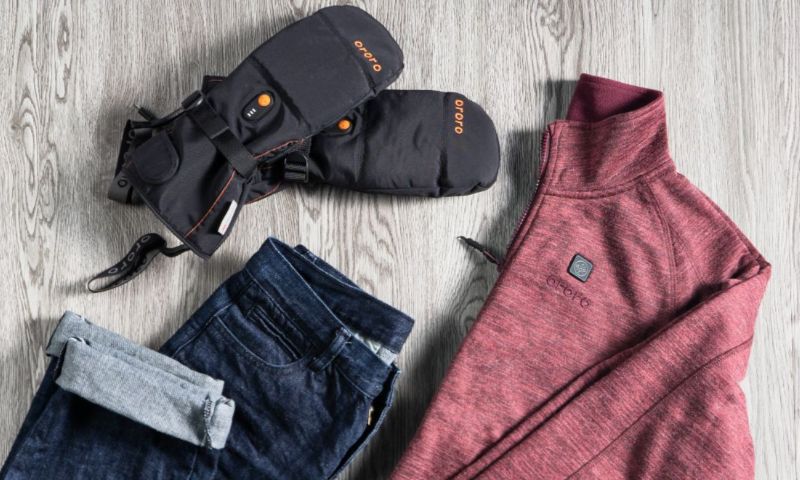
For colder, wetter, or windier days, heated jackets work well as an outer layer, offering wind and water resistance while delivering heat. On milder days or indoor venues, fleece heated vests are a comfortable option that can transition from work to everyday wear.

One of our customers, Linda B. shared:
“It's wonderful and worth the investment. Wear it to look stylish at work and power up when cold.”
Hands Are the First Tool to Fail
For photographers, hands are everything. And they’re usually the first thing cold takes away.
If there is one piece of gear winter photographers obsess over, it is gloves.
You need warmth, but you also need control. Dials, buttons, touchscreens, tripod locks. Too bulky, and you miss the shot. Too thin, and your fingers go numb before the light is right.
This balance is exactly where heated gloves stand out.
One outdoor photographer summed up the struggle perfectly:
“I've tried dozens of different kinds of gloves for photography. Either my fingers are cold, or they are warm and I can't use the controls on the camera.”
— Michael B.
And then the relief:
“These are thin enough that I can use the controls while wearing the gloves and they keep my hands warm.”
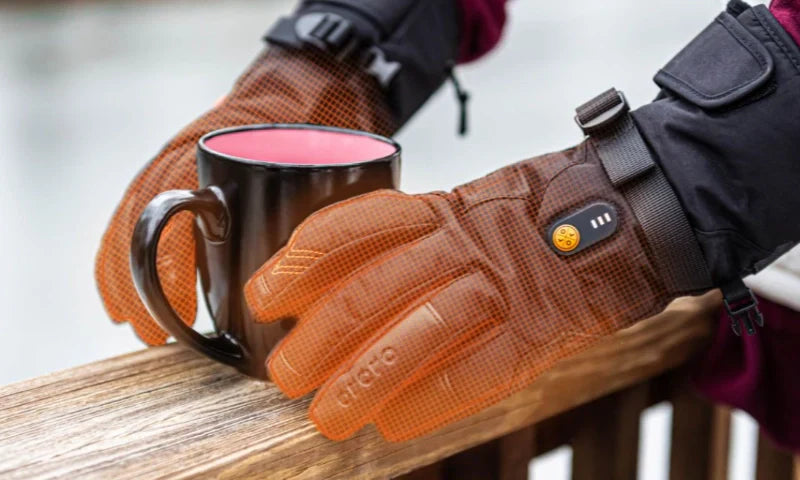
Glasgow Heated Gloves are a favorite for this reason. They are lightweight, flexible, and designed for dexterity, with touchscreen-compatible fingertips and anti-slip palms that help you keep a steady grip on your camera.

For wetter or windier conditions, the Glasgow Pro Heated Waterproof Gloves add protection without sacrificing control, making them well-suited for snow, light rain, and long days outside.
For photographers dealing with more extreme cold or circulation challenges, mittens and layered systems can make the difference between minutes and hours outdoors.
Wayne G., shooting winter scenes in Maine, shared his experience with the Amsterdam Heated Mittens:
“20º yesterday, 15º this morning… I arrived home after an hour – hands slightly cool, but not cold and NO white, numb fingers! … As a photographer with a love for winter scenes, these are what I've been seeking for years.”
For changing conditions, the Twin Cities 3-in-1 Heated Gloves offer flexibility. The heated liner allows for camera and phone use, while the outer shell adds protection when wind or rain pick up.

As JD H. noted during wildlife photography:
“The inners allow me to operate both camera and phone with no issues. The addition of the outer gloves had worked well in rain and snow.”
And for people who prefer their fingers cozied together, Flip-Top Mittens offer another option.
“I needed the warming gloves as temps can get to -40! The flip up mittens will be perfect for when I need to work my camera!”
— Virginia F., preparing for winter photography in Yellowstone
When your hands stay warm, steady, and responsive, you stop thinking about them. That is when you can focus fully on the frame.
Small Details That Make Long Shoots Easier
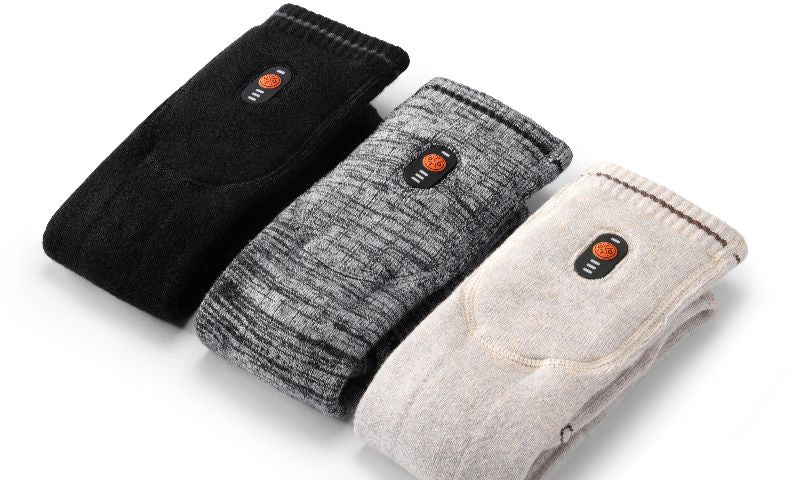
For extended shoots, especially wildlife or night photography, adding heated pants or heated socks can help maintain overall comfort, particularly when standing or sitting for long periods.

Battery life also matters. Many photographers carry an extra battery to ensure uninterrupted warmth during long sessions.
Underneath everything, a comfortable, moisture-wicking base layer helps heated gear work more effectively without adding bulk.
Why Photographers Keep Coming Back to ororo
Photographers do not need complicated systems. They need gear that is reliable, intuitive, and comfortable enough to forget about.
Simple heat controls. Consistent warmth. Designs meant for real outdoor use. Gloves that let you shoot without taking them off.
That is why so many creatives keep coming back to the same pieces, shoot after shoot, season after season.
From youth sports fields to frozen rivers, desert nights to snowstorms, the goal stays the same: stay warm enough to stay present.

At some point in every winter shoot, there’s a moment when you realize you’ve stopped checking the time.
You’re watching the light instead. Waiting for movement. Letting the scene unfold.
That’s when cold fades into the background—and photography takes over again.